


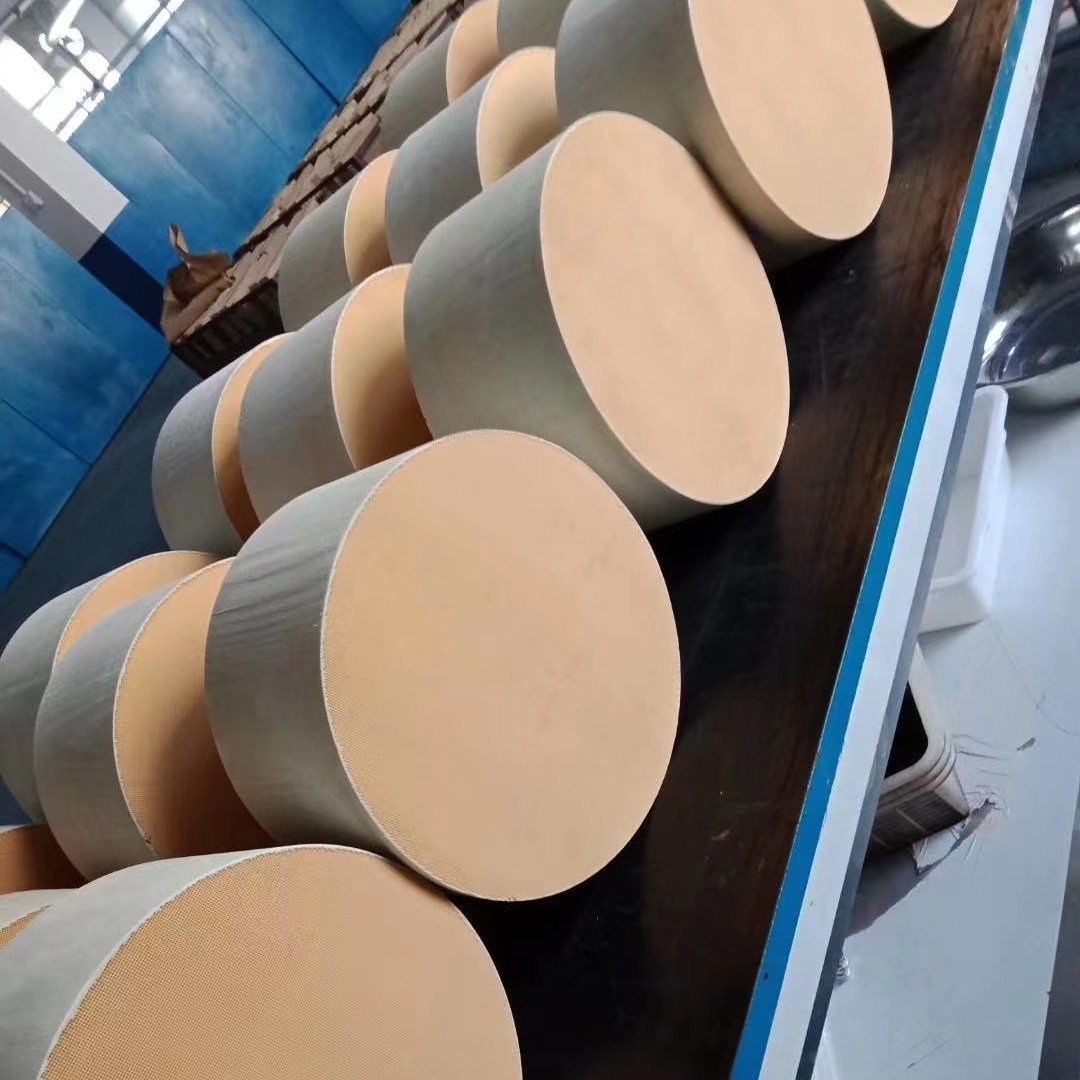
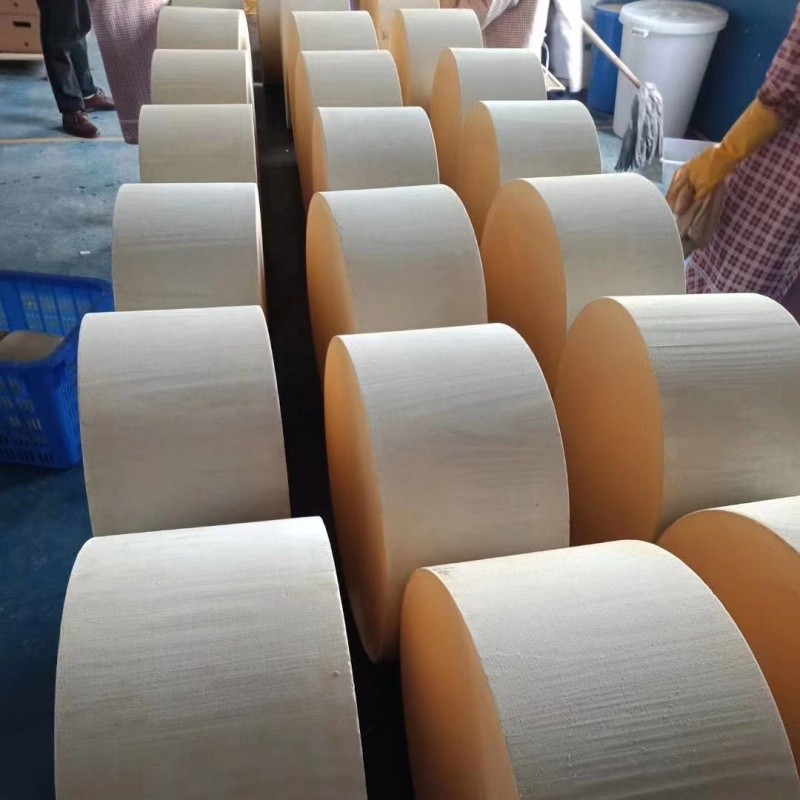
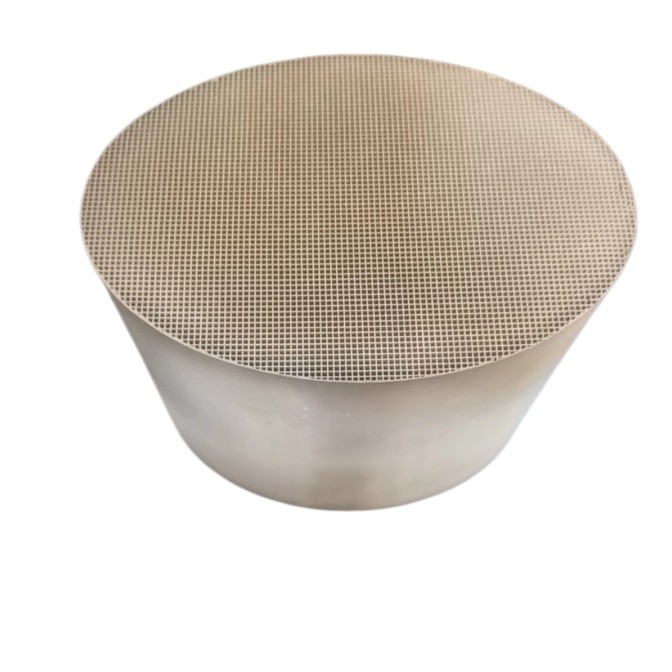
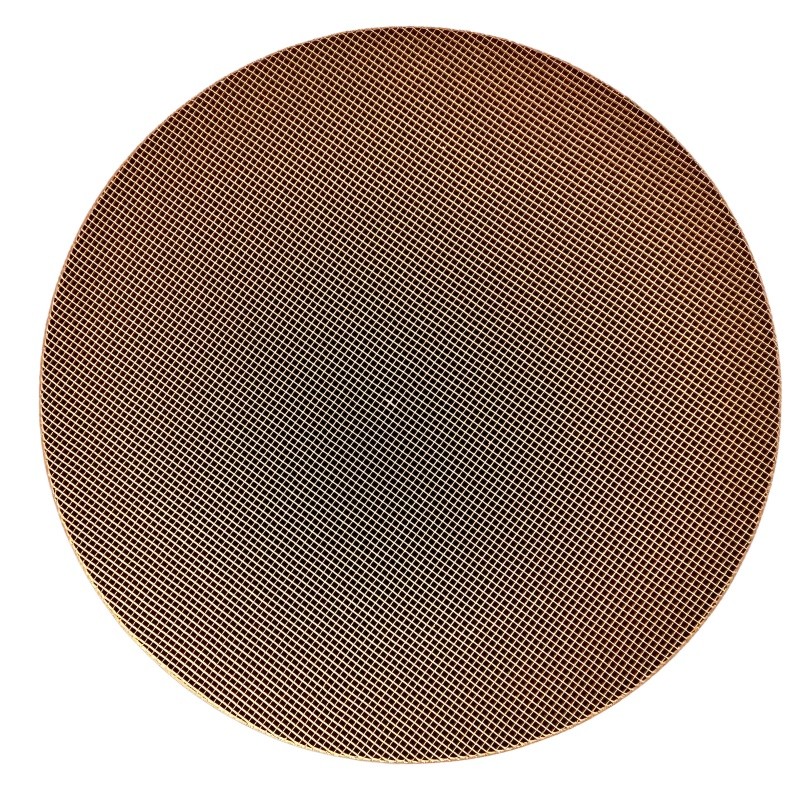
Selective Catalytic Reduction Honeycomb Ceramic Series
- Diameter Size : 143.8~330mm
- Length: 76.2~177.8mm
- Material: Cordierite
- Application:dedicated to efficiently reducing nitrogen oxide (NOₓ) emissions
- Specification
- FAQs
Selective Catalytic Reduction Honeycomb Ceramic Series
Product Description
The Selective Catalytic Reduction (SCR) Honeycomb Ceramic Series is a core functional component designed for industrial flue gas denitrification, dedicated to efficiently reducing nitrogen oxide (NOₓ) emissions and helping enterprises meet strict environmental protection standards. With its advanced honeycomb structure, high-performance material formula and stable catalytic efficiency, it has become an ideal choice for NOₓ treatment in various high-demand industrial scenarios, providing reliable and cost-effective solutions for industrial green transformation.
Product Overview
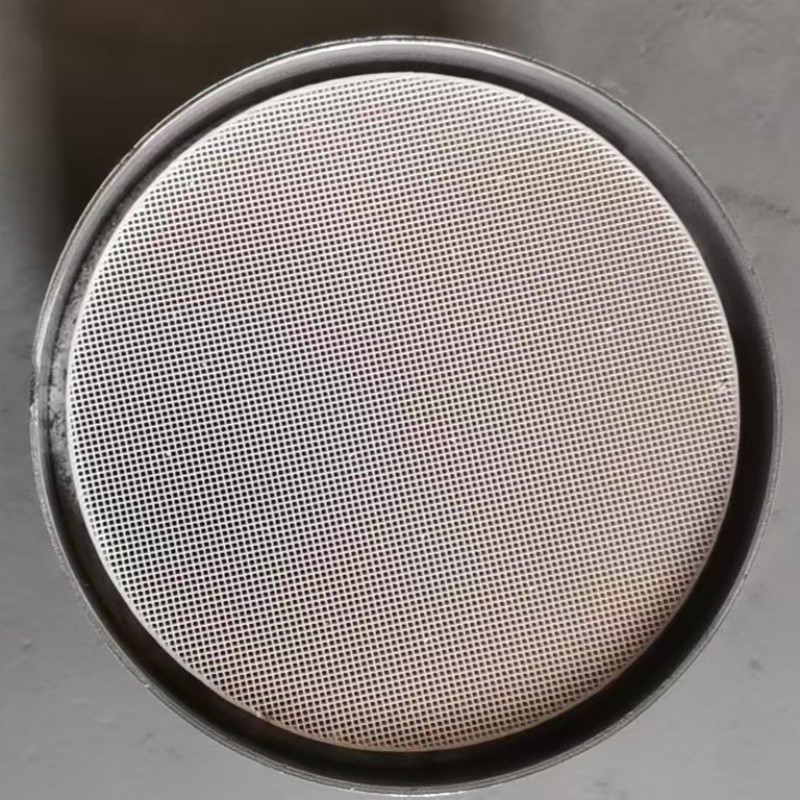
Our SCR Honeycomb Ceramic Series is developed based on advanced selective catalytic reduction technology, which realizes the efficient conversion of NOₓ into harmless nitrogen (N₂) and water (H₂O) by reacting with ammonia (NH₃) under appropriate temperature conditions (180–420 °C). The product adopts a regular honeycomb porous structure, which is formed by mixing, extrusion, drying and high-temperature calcination of high-purity ceramic raw materials, ensuring uniform structure, stable performance and excellent durability. It can be customized according to the flue gas characteristics, dust content and temperature window of different industries, perfectly matching the complex working conditions of various industrial kilns and equipment.
Core Technical Advantages
High Denitrification Efficiency:
The product adopts optimized V₂O₅–WO₃(MoO₃)/TiO₂ formula, which has strong catalytic activity, and the NOₓ removal efficiency can reach more than 90%, stably meeting the ultra-low emission requirements of various industries. At the same time, it has a low SO₂ oxidation rate (as low as 1%) and low NH₃ slip during operation, avoiding secondary pollution.
Stable and Durable Performance:
Made of high-quality ceramic materials such as cordierite, mullite and corundum, it has excellent high-temperature resistance, corrosion resistance and thermal shock resistance, and can operate stably for a long time in harsh flue gas environments (high temperature, high humidity, high dust). The service life can reach up to 24,000 hours, which is far superior to traditional metal or plastic catalysts, greatly reducing the frequency of replacement and maintenance costs.
Efficient and Energy-Saving Structure:
The regular honeycomb structure design maximizes the specific surface area (up to 1275 m²/m³) while ensuring low pressure drop (≤150 Pa under conventional working conditions), making the flue gas flow evenly, reducing system energy consumption, and improving the overall operation efficiency of the denitrification system. The open porosity is up to 72.93%, which effectively promotes the full contact between flue gas and catalyst and enhances the catalytic reaction effect.
Strong Adaptability & Customization:
It covers a variety of cell densities (20–600 CPSI) and pore types (square, hexagonal, circular), and the cell pitch, wall thickness and size can be customized according to customer needs. It is suitable for different dust levels and flue gas components, and can be widely used in high-dust, medium-dust and low-dust working conditions.
Environmentally Friendly & Cost-Effective:
The raw materials are non-toxic and harmless, and the production process meets environmental protection standards. At the same time, the product supports recycling and regeneration, which can realize the recycling of resources, reduce solid waste emissions, and help customers reduce operation costs while practicing green development concepts.
Key Product Parameters
|
Parameter |
Specification |
|
Denitrification Efficiency |
≥ 90% |
|
Operating Temperature Range |
180 – 420 °C |
|
Specific Surface Area |
≥ 60 m²/g (up to 1275 m²/m³) |
|
Pressure Drop |
≤ 150 Pa (conventional working conditions) |
|
Cell Density (CPSI) |
20 – 600 (customizable) |
|
Standard Size (Square Block) |
Cross-section: 150×150 mm; Length: 300–1350 mm (customizable) |
|
Regular Square Block Sizes |
100×100×300 mm, 100×100×600 mm, 150×150×300 mm, 150×150×600 mm, 150×150×900 mm, 150×150×1200 mm, 200×200×300 mm, 200×200×600 mm, 300×300×300 mm, 300×300×600 mm |
|
Open Porosity |
65.07% – 72.93% |
|
Service Life |
Up to 24,000 hours |
|
Certification |
ISO 9001, TS 16949, GB/T 25994-2010, JC/T 2135-2012 |
Product Size :
|
Product Size |
|||||||||||||||
|
No. |
Specification (D×L) (in.×in.) |
Cell Density (cpsi) |
Diameter (in.) |
Height (in.) |
Diameter (mm) |
Height (mm) |
Volume (L/pc) |
||||||||
|
1 |
5.66×3 |
600 |
5.66 |
3 |
143.8 |
76.2 |
1.236 |
||||||||
|
2 |
5.66×4 |
600 |
5.66 |
4 |
143.8 |
101.6 |
1.648 |
||||||||
|
3 |
5.66×5 |
600 |
5.66 |
5 |
143.8 |
127 |
2.061 |
||||||||
|
4 |
5.66×6 |
600 |
5.66 |
6 |
143.8 |
152.4 |
2.473 |
||||||||
|
5 |
6.77×3 |
600 |
6.77 |
3 |
172 |
76.2 |
1.769 |
||||||||
|
6 |
6.77×4 |
600 |
6.77 |
4 |
172 |
101.6 |
2.358 |
||||||||
|
7 |
6.77×5 |
600 |
6.77 |
5 |
172 |
127 |
2.948 |
||||||||
|
8 |
6.77×6 |
600 |
6.77 |
6 |
172 |
152.4 |
3.538 |
||||||||
|
9 |
7.5×3 |
600 |
7.5 |
3 |
190.5 |
76.2 |
2.171 |
||||||||
|
10 |
7.5×4 |
600 |
7.5 |
4 |
190.5 |
101.6 |
2.894 |
||||||||
|
11 |
7.5×6 |
600 |
7.5 |
6 |
190.5 |
152.4 |
4.342 |
||||||||
|
12 |
7.5×7.5 |
600 |
7.5 |
7.5 |
190.5 |
190.5 |
5.427 |
||||||||
|
13 |
9×6 |
600 |
9 |
6 |
228.6 |
152.4 |
6.252 |
||||||||
|
14 |
9.5×4 |
600 |
9.5 |
4 |
241.3 |
101.6 |
4.644 |
||||||||
|
15 |
9.5×4.5 |
600 |
9.5 |
4.5 |
241.3 |
114.3 |
5.224 |
||||||||
|
16 |
9.5×5 |
600 |
9.5 |
5 |
241.3 |
127 |
5.805 |
||||||||
|
17 |
9.5×6 |
600 |
9.5 |
6 |
241.3 |
152.4 |
6.966 |
||||||||
|
18 |
9×7.5 |
600 |
9 |
7.5 |
228.6 |
190.5 |
7.815 |
||||||||
|
19 |
10.5×4 |
600 |
10.5 |
4 |
266.7 |
101.6 |
5.673 |
||||||||
|
20 |
10.5×4.5 |
600 |
10.5 |
4.5 |
266.7 |
114.3 |
6.382 |
||||||||
|
21 |
10.5×5 |
600 |
10.5 |
5 |
266.7 |
127 |
7.091 |
||||||||
|
22 |
10.5×6 |
600 |
10.5 |
6 |
266.7 |
152.4 |
8.509 |
||||||||
|
23 |
10.5×7 |
600 |
10.5 |
7 |
266.7 |
177.8 |
9.928 |
||||||||
|
24 |
11.25×4 |
600 |
11.25 |
4 |
285.8 |
101.6 |
6.515 |
||||||||
|
25 |
11.25×4.5 |
600 |
11.25 |
4.5 |
285.8 |
114.3 |
7.329 |
||||||||
|
26 |
11.25×5 |
600 |
11.25 |
5 |
285.8 |
127 |
8.143 |
||||||||
|
27 |
11.25×6 |
600 |
11.25 |
6 |
285.8 |
152.4 |
9.772 |
||||||||
|
28 |
11.25×7 |
600 |
11.25 |
7 |
285.8 |
177.8 |
11.401 |
||||||||
|
29 |
12×4 |
600 |
12 |
4 |
304.8 |
101.6 |
7.41 |
||||||||
|
30 |
12×4.5 |
600 |
12 |
4.5 |
304.8 |
114.3 |
8.336 |
||||||||
|
31 |
12×5 |
600 |
12 |
5 |
304.8 |
127 |
9.262 |
||||||||
|
32 |
12×6 |
600 |
12 |
6 |
304.8 |
152.4 |
11.114 |
||||||||
|
33 |
12×7 |
600 |
12 |
7 |
304.8 |
177.8 |
12.967 |
||||||||
|
34 |
13×4 |
600 |
13 |
4 |
330.2 |
101.6 |
8.696 |
||||||||
|
35 |
13×4.5 |
||||||||||||||
| Parameter | Typical Value |
|---|---|
| Channel density | 300–600 CPSI (cells per square inch) |
| Porosity | ≥45% |
| Compressive strength | A-axis ≥6 MPa, B-axis ≥2 MPa |
| Maximum operating temp | Up to 1200°C |
| Softening temperature | >1360°C |
| Common sizes | Diameters Ø143.8–330mm; lengths 52.4–152.4mm |
- Automotive: Diesel vehicles meeting Euro 6, EPA 2010, China 6b standards – passenger cars and commercial vehicles
- Industrial Flue Gas: Coal-fired power plants, cement plants, and boilers
- Municipal Waste Incineration: High-temperature flue gas purification and dioxin control
- Chemical & Coating Industries: VOC and NOx removal from industrial processes
- Use Quality Urea: Always use 32.5% urea solution meeting purity standards. Impurities can clog injectors and reduce conversion efficiency.
- Cold Weather: Urea crystallizes at -11°C; systems require preheating in winter.
- Monitor Ammonia Slip: Excess urea or degraded catalysts can cause unreacted ammonia to pass through; an ammonia slip catalyst is often installed downstream.
- Prevent Crystallization: Urea/DEF deposits can build up and plug the porous structure, requiring replacement.
- Poisoning: Alkali metals, arsenic, sulfur compounds, or heavy metals react irreversibly with active sites
- Sintering: High-temperature exposure reduces active surface area
- Blockage: Dust, carbon deposits, or sulfate compounds clog channels
- Mechanical Wear: Fly ash erosion; thicker walls (>1.0mm) are recommended for high-dust conditions