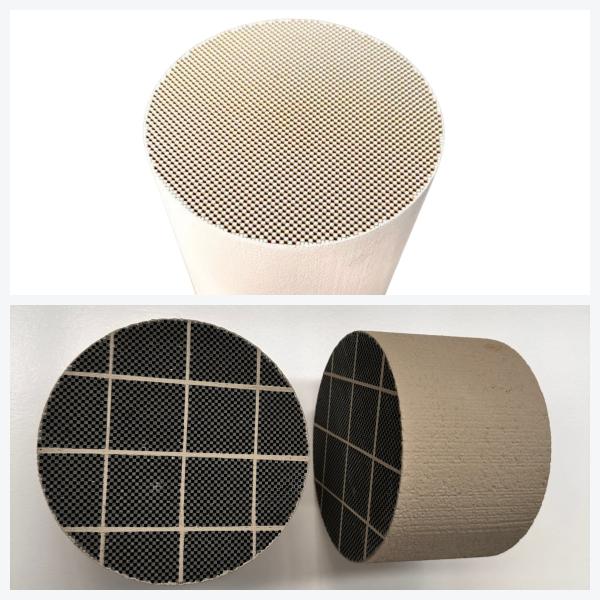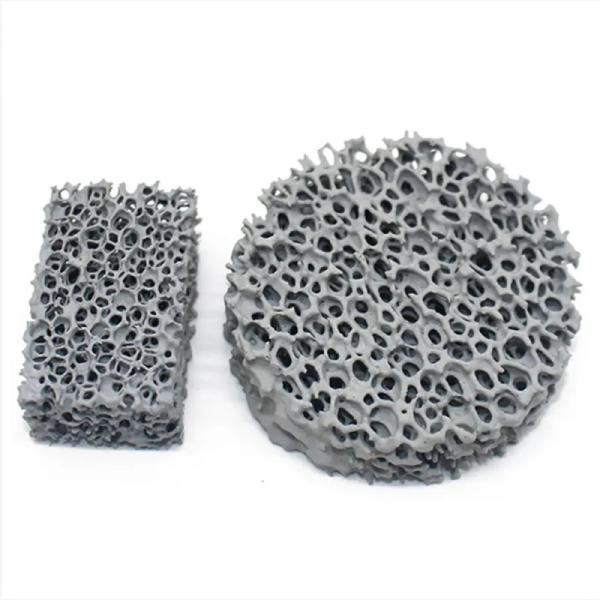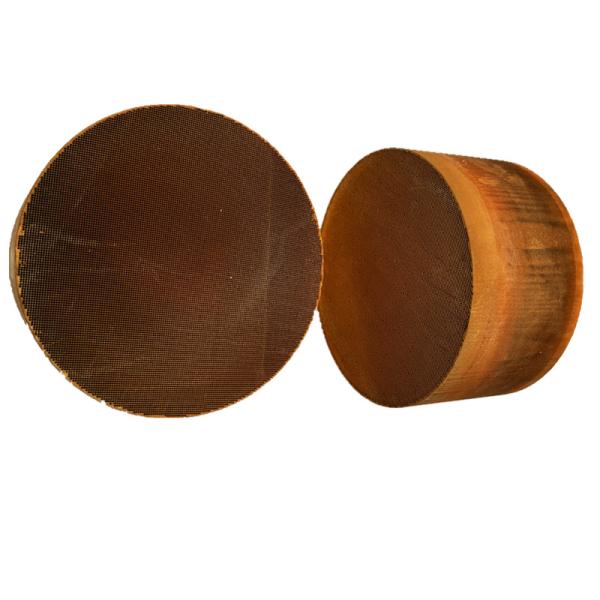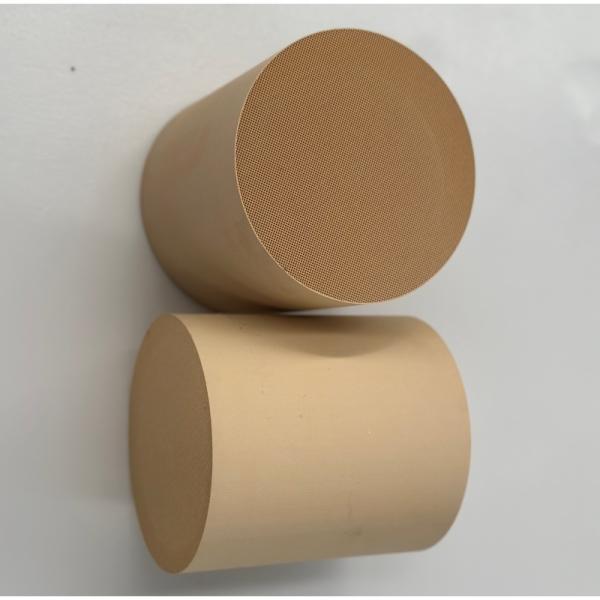



Silicon Carbide Diesel Particulate Filter Substrate
- Material: SIC Ceramic
- Size : Customized Size
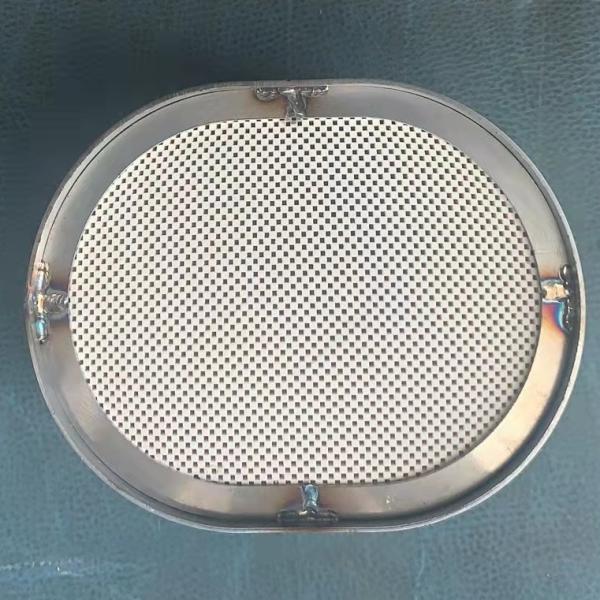
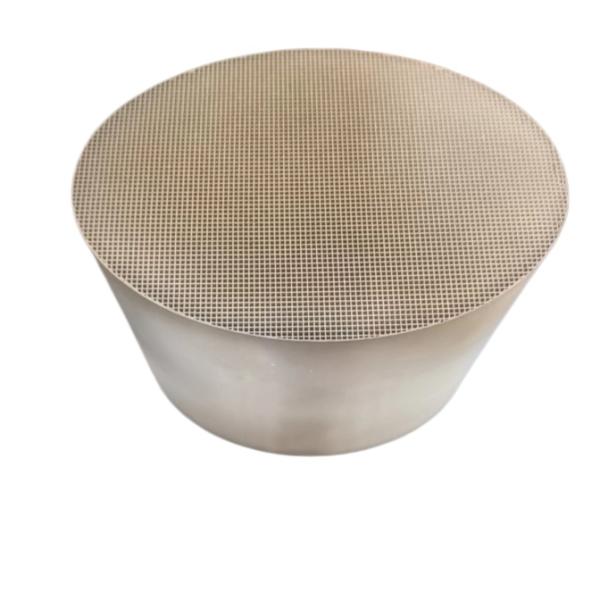
- Shape : Round, Oval, Racetrack-Shaped
- Application:Used to filter black smoke from diesel engines
- Specification
- FAQs
Silicon Carbide (SiC) DPF Substrate
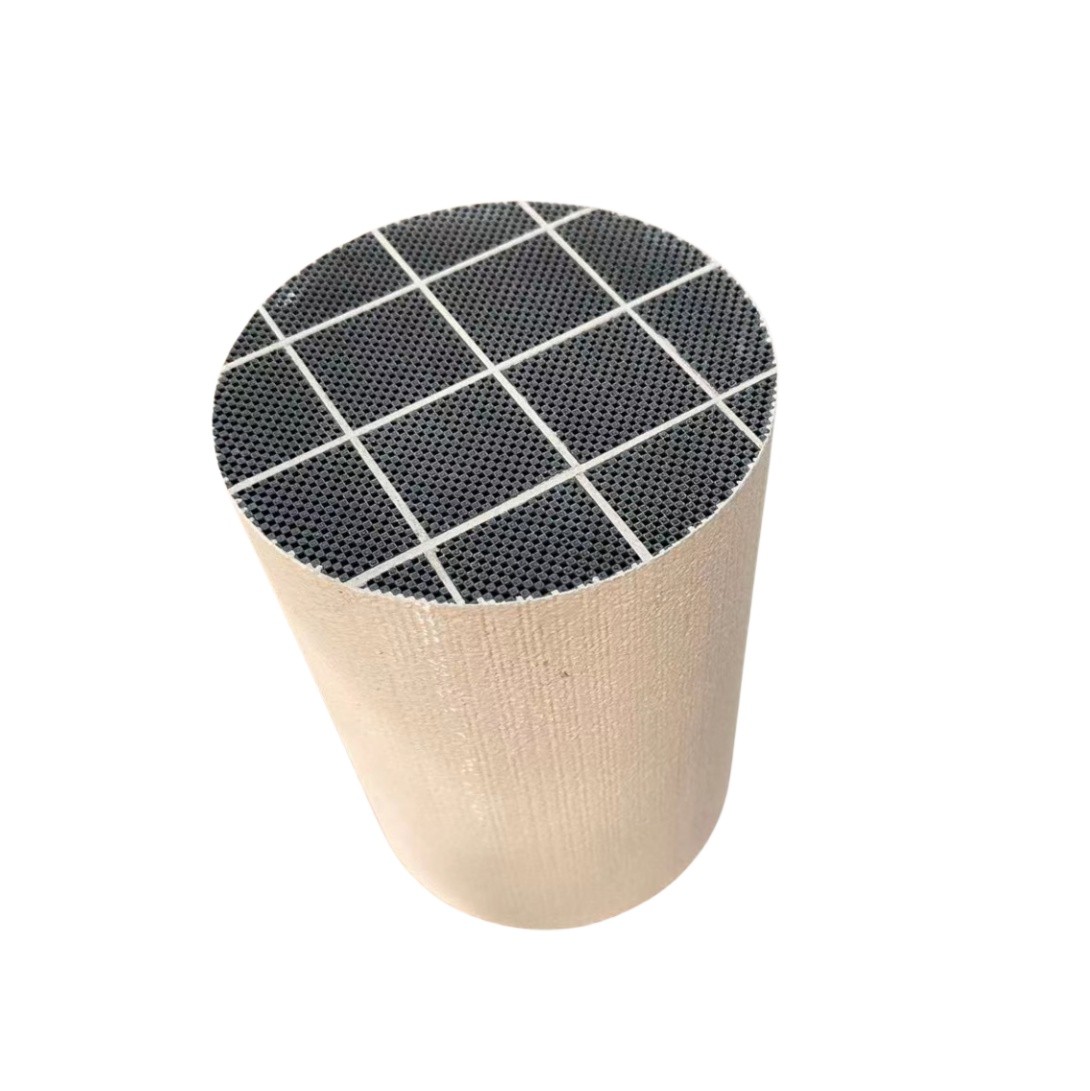
Our Silicon Carbide (SiC) DPF Substrate is a premium wall-flow honeycomb ceramic core specifically engineered for heavy-duty diesel engine exhaust aftertreatment systems. Designed to meet stringent global emission standards (Euro VI, EPA), this substrate delivers exceptional soot filtration, high thermal stability, and an extended operational lifespan.
Compared to traditional cordierite materials, our recrystallized Silicon Carbide matrix provides superior thermal conductivity and mechanical strength, making it the ideal core component for trucks, construction machinery, marine engines, and power generators.
Key Technical Advantages
· High Carbon Loading Capacity: Supports high soot limits up to 10g/L, significantly extending regeneration intervals and reducing fuel penalties.
· Superior Thermal Shock Resistance: Low thermal expansion coefficient prevents cracking during rapid passive or active high-temperature regeneration cycles.
· Optimized Thermal Conductivity: High thermal conductivity (14-22 W/mK at 500°C) ensures uniform heat distribution, eliminating localized hotspots.
· Excellent Mechanical Strength: Transverse strength >2.3 MPa and vertical strength 10-18 MPa withstand harsh shock and vibration environments in heavy-duty machinery.
· High Filtration Efficiency: Advanced porous honeycomb structure captures >95% of diesel particulate matter (PM), soot, and black smoke.
Product Specifications
|
Technical Parameters |
Unit |
Target Index |
|
SiC Content |
% |
>90% |
|
Cell Density |
CPSI |
200 / 300 |
|
Wall Thickness |
mm |
0.35 - 0.41 |
|
Apparent Porosity |
% |
42% - 60% |
|
Median Pore Size |
μm |
12 - 20 |
|
Thermal Conductivity (500°C) |
W/mK |
14 - 22 |
|
Filtration Efficiency |
% |
>95% |
|
Max Softening Temperature |
°C |
1400 |
Standard Dimensions & Specifications
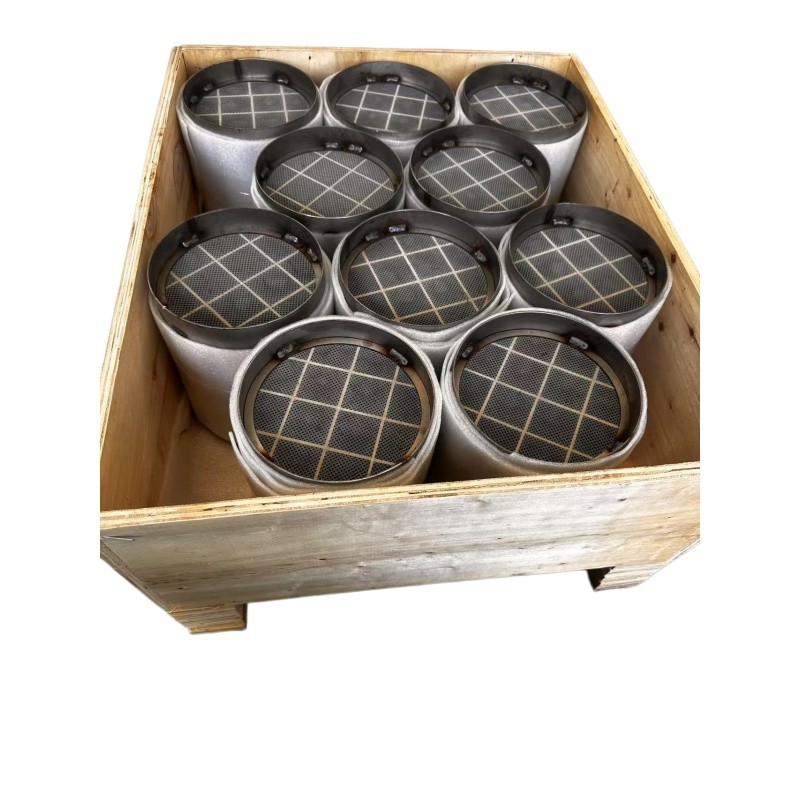
We offer precision-engineered round, oval, and racetrack cross-sections to fit various canning and catalytic converter designs. Custom dimensions and customized microstructure adjustments are available upon request.
· Round Shapes: From Φ144*152.4 mm (2.48L) up to Φ286*305 mm (19.58L)
· Oval Shapes: 191.8 * 95.8 * 152.4 mm (2.24L)
· Racetrack Shapes: 145 * 118.4 * 152.4 mm (2.15L)
FAQ
Q1: What is the main difference between SiC and Cordierite DPF substrates?
A1: Silicon Carbide (SiC) substrates possess much higher thermal conductivity (14-22 W/mK vs. ~1-2 W/mK for cordierite) and a higher melting point. This allows SiC DPFs to handle much higher soot loads (up to 10g/L) and withstand higher thermal stress during active regeneration without melting or cracking, providing a longer service life in heavy-duty applications.
Q2: What is the filtration efficiency of your Silicon Carbide DPF?
A2: Our SiC DPF substrates feature a precise wall-flow honeycomb microstructure with a median pore size of 12-20 μm and 42-60% porosity. This structure achieves a particulate matter (PM) and black smoke capture rate of greater than 95%, helping systems comply with strict environmental emission limits.
Q3: Do you support custom sizes and custom cell structures?
A3: Yes. As a professional OEM manufacturer, we support fully customized manufacturing including bespoke outer dimensions (diameter, length), cell density variations (200 or 300 CPSI), and segmented block assembly configurations to meet specific packaging space constraints for trucks, marine engines, or industrial generators.
Q4: How does the 10g/L carbon loading capacity benefit heavy equipment operators?
A4: A higher carbon loading limit means the filter can store more soot before triggering an active regeneration cycle. This reduces the frequency of cleaning cycles, minimizes fuel consumption spent on heating the exhaust for regeneration, and decreases downtime for heavy-duty fleet operations.

Quisquam evest qui dolorem ipsum
Sed lacinia lacus at purus congue facilisis. Phasellus a diam sed diam varius suscipit. Cras interdum lorem elit, sed efficitur urna pharetra id.
Donec ultricies elementum tempus. Mauris mollis, ipsum apjsep tincidunt aliquet, ante lorem sodales turpis, ac sagittis nisi ante a turpis.